
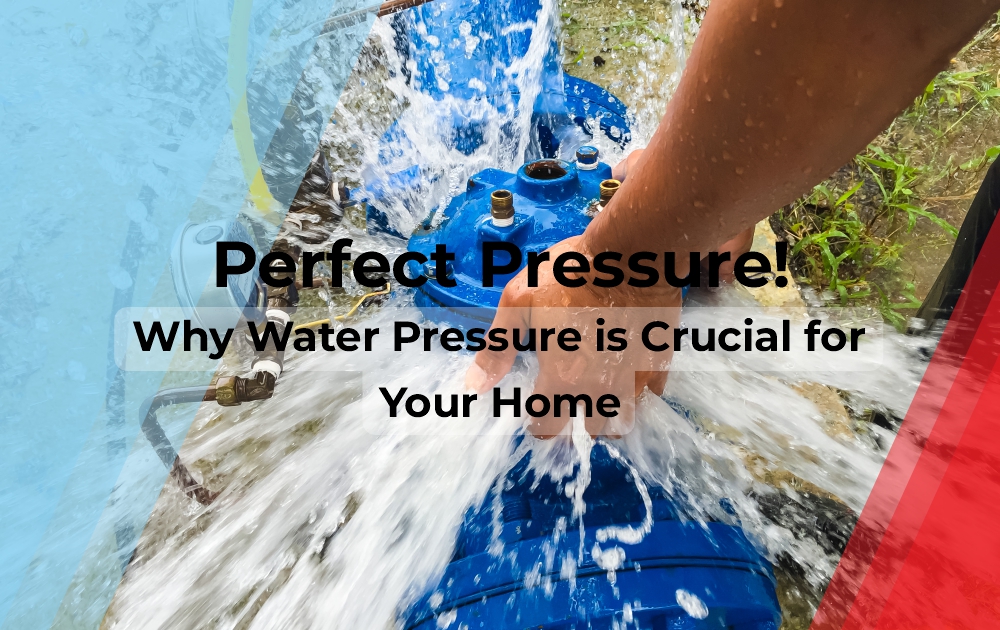
Perfect Pressure: Solving Low and High Water Pressure Issues
Water pressure is the invisible force that determines the comfort of your home. Adequate pressure ensures pleasant showers, quick washing machine cycles, and efficient dishwashing. However, when the balance is off, it becomes a daily frustration.
At Ady’s Plumbing, we often see homeowners struggling with the two extremes: the annoyance of a weak trickle or the danger of overpowering pressure. Here is why maintaining the “perfect pressure” is crucial for your pipes and your wallet.
What is the Ideal Water Pressure?
In the United States, water pressure is measured in PSI (Pounds per Square Inch). The “Goldilocks zone” for a standard home is usually between 40 and 60 PSI.
- Below 40 PSI: You will notice weak flow, making simple tasks like rinsing shampoo or washing dishes difficult.
- Above 80 PSI: This is the danger zone. High pressure puts excessive stress on your plumbing system, voiding warranty on appliances and leading to bursts.
The Dangers of Incorrect Pressure
The Frustration of Low Pressure
Low pressure is often a symptom of a larger issue. Common causes include:
- Clogged Aerators: Mineral buildup (common in San Antonio hard water) can block faucets.
- Hidden Leaks: If water is escaping through a crack in the pipe, less water reaches your fixtures.
- Corroded Pipes: Old galvanized pipes can rust internally, restricting flow like a clogged artery.
The Risks of High Pressure
High pressure is often called the “silent killer” of plumbing. It causes:
- Pipe Bursts: The excess force can blow out pipe joints and flexible hoses.
- Appliance Damage: Water heaters, dishwashers, and washing machines are designed for standard pressure. High PSI wears out their seals prematurely.
- Water Hammer: If you hear banging or thumping noises when you turn off a tap, your pressure might be too high.
How We Fix Water Pressure Problems
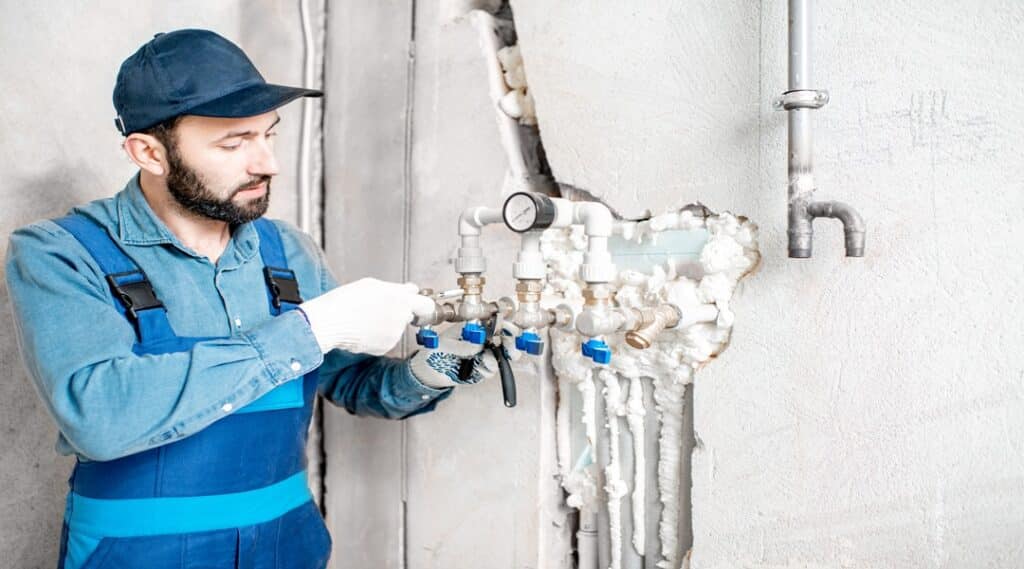
Whether it’s too high or too low, the solution often lies in the Pressure Reducing Valve (PRV).
- For High Pressure: We install or replace the PRV on your main water line. This device acts as a gatekeeper, stepping down the high municipal pressure to a safe level for your home.
- For Low Pressure: First, we inspect for leaks or clogs. If the municipal supply is weak, we can adjust your existing PRV. In rare cases, a pressure booster pump may be installed.
DIY Preventive Maintenance
You can keep an eye on your system with these simple steps:
- Clean Faucet Aerators: Unscrew the tip of your faucets and soak them in vinegar to remove calcium deposits.
- Listen to Your Pipes: Pay attention to banging noises or constant running water sounds.
- Check for Leaks: Regularly inspect under sinks and around your water heater.
When to Call a Professional?
Water pressure isn’t just about comfort; it’s about protecting your home’s infrastructure. If adjusting your faucet aerators doesn’t help, or if you suspect your pressure is dangerously high, it is time to call an expert.
Do not let pressure problems damage your home. Contact Ady’s Plumbing today to diagnose the cause and restore optimal flow to your taps.




Leave a Reply