
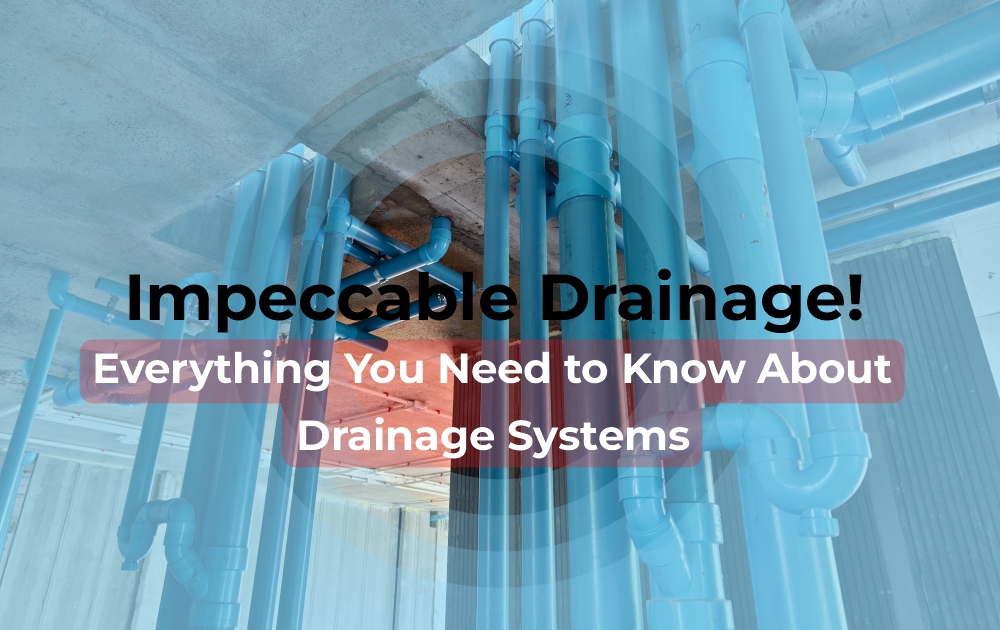
Impeccable Drainage: Everything You Need to Know About Your Home’s Plumbing
A reliable drainage system is the unsung hero of any property. It works silently to move waste away and protect your home from flooding, structural damage, and health hazards. However, most homeowners don’t think about their drains until disaster strikes.
At Ady’s Plumbing, we believe that an informed homeowner is a protected homeowner. Whether you are dealing with San Antonio storms or daily household waste, this guide covers everything you need to know to keep your drainage system flowing perfectly.
Key Components of a Drainage System
Your plumbing is more than just a pipe. It is a complex network consisting of:
- Drainage Pipes: The highway for wastewater. While older homes may still have Cast Iron pipes, modern installations typically use durable PVC or ABS plastic.
- Fixtures & Drains: The entry points in your sinks, showers, and toilets. Every drain usually has a “trap” (the U-shaped pipe) to prevent sewer gases from entering your home.
- Sewer Line: The critical underground pipe that connects your home’s system to the municipal city sewer or septic tank.
- Vents: Often overlooked, vent pipes on your roof allow air into the system so water can flow smoothly without gurgling.
Types of Drainage Systems
Not all water goes to the same place. It is important to distinguish between:
- Sanitary Drainage: This system transports wastewater from toilets, sinks, and washing machines to the treatment plant. This is a sealed system designed to protect public health.
- Storm Drainage: Designed exclusively for rainwater. Gutters, downspouts, and French drains collect rain to prevent yard flooding and foundation damage.
- Landscape Drainage: Specific solutions to control excess water in your garden, preventing soil erosion and standing water that breeds mosquitoes.
Common Drainage Problems in San Antonio
Due to soil shifting and heavy usage, several issues can plague your system:
- Stubborn Clogs: Grease, hair, and “flushable” wipes are the enemies of clear pipes. They build up over time, creating solid blockages.
- Root Intrusion: Tree roots seek moisture and can invade tiny cracks in sewer lines, causing massive backups.
- Pipe Leaks & Bellies: Shifting ground can cause pipes to crack or sag (belly), leading to water pooling and eventual failure.
- Foul Odors: A smell of rotten eggs usually means a dry P-trap or a blocked vent stack.
Drainage System Maintenance
Preventive care is always cheaper than emergency repairs. Here is how to maintain your system:
- Regular Drain Cleaning: Don’t wait for a complete stop. Scheduling a professional hydro-jetting service can scour pipes clean of grease and scale.
- Camera Inspections: We use fiber-optic cameras to inspect the inside of your pipes underground. This helps us spot cracks or roots before they cause a flood.
- Use Drain Strainers: Simple mesh screens over your shower and sink drains can catch hair and food particles before they enter the system.
When to Call a Professional?
While a plunger works for minor toilet clogs, persistent issues require an expert. If you notice multiple clogged drains, water backing up in the shower when you flush, or soggy patches in your yard, you likely have a main sewer line issue.
Don’t let drainage problems threaten the health of your home. Contact Ady’s Plumbing today for professional drain cleaning, camera inspections, and repair services.





Leave a Reply