
Happy Pipes, Happy Home: The Ultimate Guide to Preventive Plumbing Maintenance
A properly functioning plumbing system is the silent backbone of a comfortable home. We often forget about our pipes until a disaster strikes—usually at the worst possible time. But here is the truth: most plumbing emergencies are entirely preventable.
At Ady’s Plumbing, we believe that an ounce of prevention is worth a pound of cure. Preventive pipe maintenance is the key to avoiding costly repairs, flooding, and the stress of emergency calls. Here is how to keep your system running smoothly year-round.
Why Preventive Maintenance Matters
Taking a proactive approach to your plumbing offers high-return benefits:
- Extend Pipe Lifespan: Regular care prevents corrosion and sediment build-up, adding years to your infrastructure.
- Stop Clogs Before They Start: Routine drain maintenance avoids the nasty blockages that cause overflows and sewage backups.
- Save Money: Detecting a small leak or a running toilet today costs a fraction of repairing water damage or paying a huge utility bill next month.
- Boost Efficiency: A clean system, especially a well-maintained water heater, operates more efficiently, lowering energy costs.
Your Home Plumbing Maintenance Checklist
You don’t need to be a professional to spot potential issues. Here are the key tasks every homeowner should perform:
1. Drain Care & Cleaning
Regular cleaning removes debris and grease before they solidify. You can use safe home methods like flushing drains with hot water and baking soda. However, for a deep clean, professional drain maintenance (like hydro-jetting) is recommended once a year to scour the pipes completely.
2. Water Heater Flush
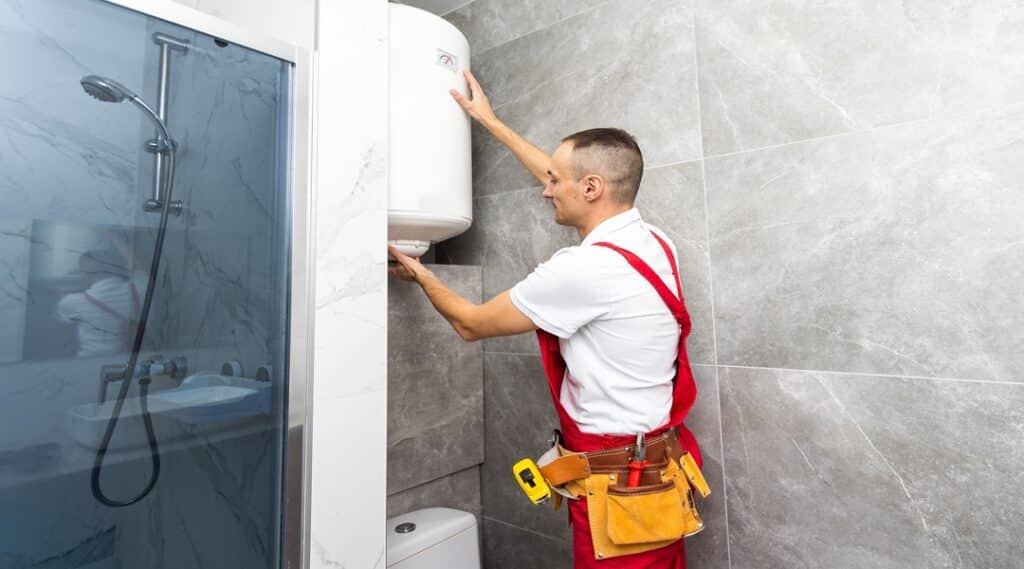
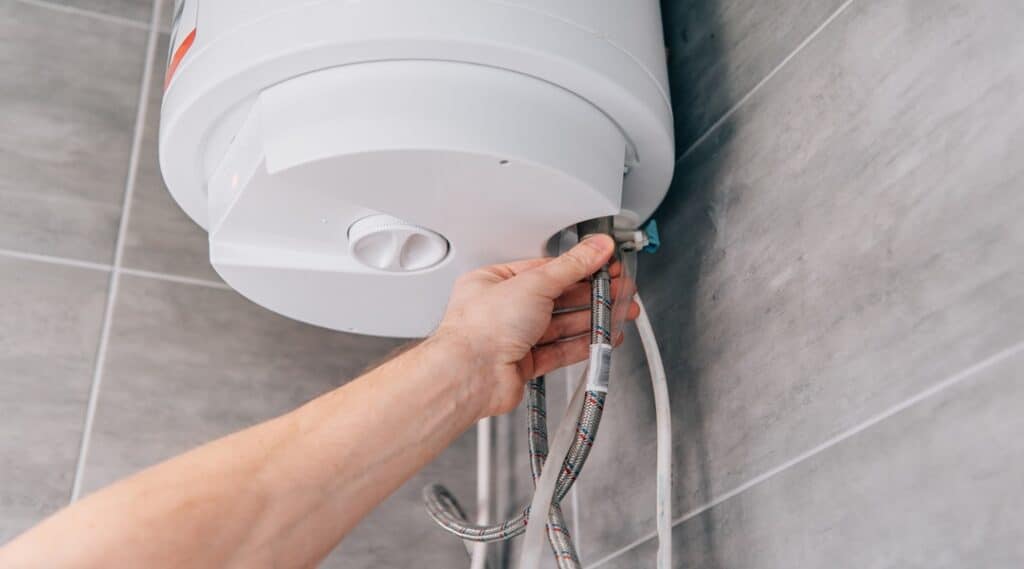
Sediment builds up at the bottom of your heater, reducing efficiency and causing strange noises. We recommend flushing your water heater tank annually to remove these minerals and inspect the anode rod.
3. Check for “Silent” Leaks
Inspect the cabinets under your kitchen and bathroom sinks. Look for moisture, mold, or warped wood. Also, check outside spigots and ensure your hose bibs aren’t dripping.
4. Insulate Exposed Pipes (Winter Prep)
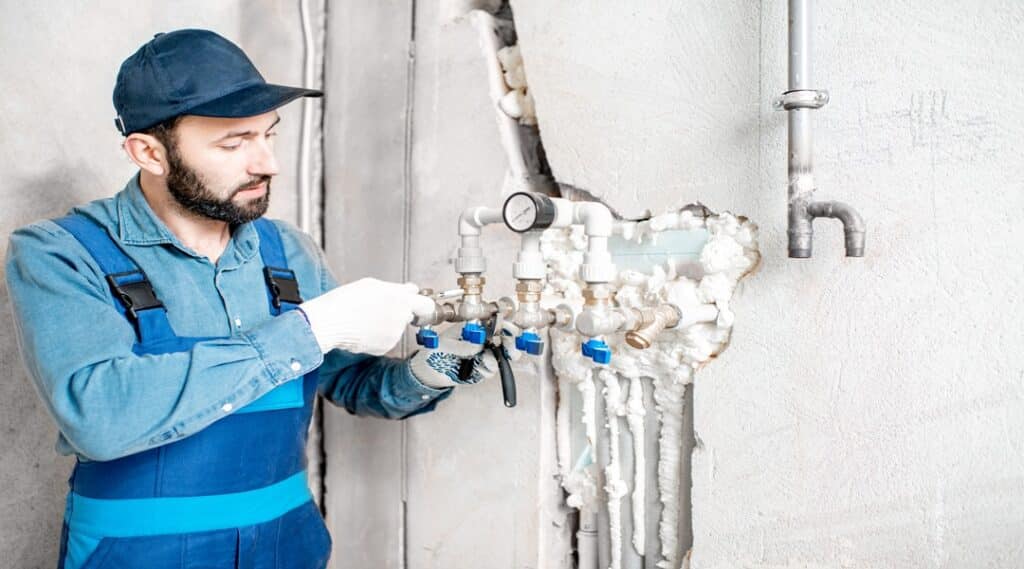
In San Antonio, sudden freezes can cause pipes to burst. Ensure that pipes in the attic, garage, or outside are properly insulated with foam sleeves to protect them from extreme cold.
Daily Habits for Pipe Care
Small changes in behavior prevent big problems:
- Mind the FOG (Fats, Oils, Grease): Never pour cooking grease down the drain. It solidifies like concrete in your pipes. Wipe pans with paper towels instead.
- Use Drain Strainers: Inexpensive mesh grates in showers and sinks catch hair and soap chunks, preventing them from clogging the P-trap.
- Avoid Harsh Chemicals: Chemical drain openers can corrode older pipes and damage PVC glue. Stick to enzymatic cleaners or mechanical snakes.
When to Call a Professional?
While DIY checks are great, some signs require an expert eye:
- Recurring Clogs: If you plunge a drain and it clogs again next week, the blockage is deep in the main line.
- Low Water Pressure: This often indicates a hidden leak or sediment buildup in the supply lines.
- Water Heater Issues: Leaks or pilot light failures on gas units can be dangerous and should be handled by a licensed technician.
Preventive plumbing maintenance is an investment in your home’s future. Don’t wait for a burst pipe to take action.
Schedule your Annual Plumbing Inspection with Ady’s Plumbing today!




Leave a Reply