
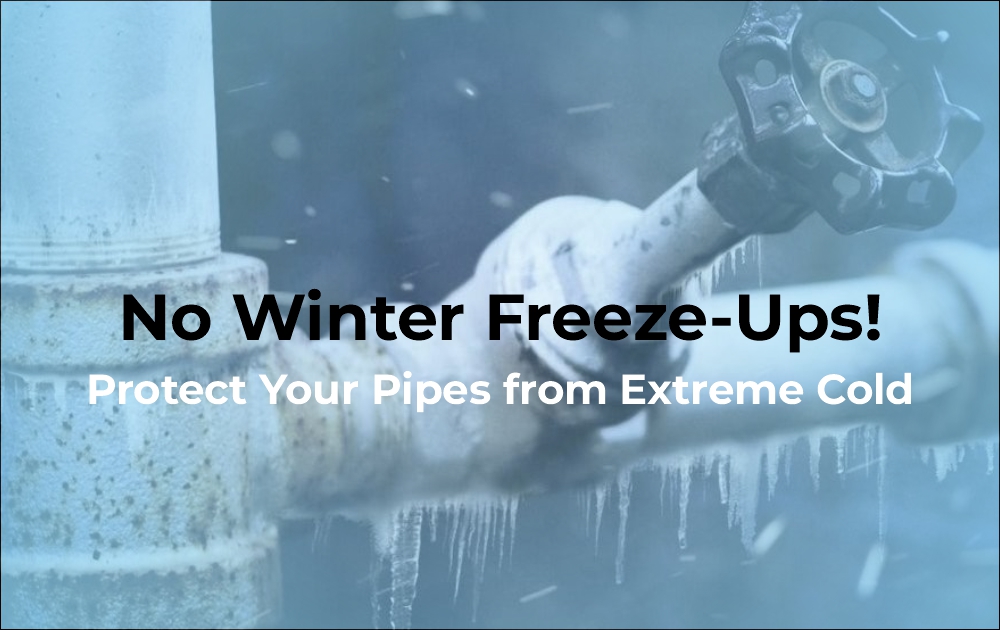
No Winter Freeze-Ups! How to Protect Your Pipes from Extreme Cold
Low winter temperatures can wreak havoc on your plumbing system, even here in San Antonio. As many Texans learned the hard way, water expands as it freezes, putting immense pressure on pipes that can lead to catastrophic bursts and expensive flooding.
At Ady’s Plumbing, we want to ensure your home is safe during the next cold front. In this article, we provide practical, expert tips to prevent frozen pipes and protect your property when the temperature drops.
Why Do Pipes Freeze?
Frozen pipes occur when the water inside stops moving and the temperature drops below freezing (32°F). The ice block expands, acting like a wedge that splits the pipe open. The most vulnerable areas in Texas homes are:
- Uninsulated Spaces: Pipes located in attics, garages, crawl spaces, or exterior walls without proper insulation.
- Outdoor Spigots: Hose bibs left unprotected are often the first point of freezing.
- Wind Drafts: Cold winds penetrating through cracks in the siding or foundation can rapidly cool pipes.
How to Prevent Frozen Pipes (Winterization Checklist)
When a freeze warning is issued, take these immediate steps:
- Insulate Exposed Pipes: Use foam pipe insulation (“pool noodles”) or thermal tape to wrap any pipe exposed to the cold, especially in the attic or garage.
- Disconnect Hoses: Remove all outdoor garden hoses and install insulated covers on the faucets (hose bibs). This is a critical step.
- Let Faucets Drip: Moving water is harder to freeze. Allow a lukewarm drip from the faucet furthest from your water main to relieve internal pressure.
- Open Cabinet Doors: Leave kitchen and bathroom cabinet doors open to allow your home’s warm air to circulate around the plumbing under sinks.
- Keep the Heat On: Maintain a consistent temperature in your home day and night, even if you leave town.
What to Do if Your Pipes Freeze
If you turn on a faucet and only a trickle comes out, you may have a frozen pipe. Don’t panic, but act fast:
- Locate the Freeze: Feel the pipes. The frozen section will likely be cold to the touch and covered in frost.
- Open the Faucet: Keep the tap open. As the ice melts, water needs a path to flow out.
- Apply Heat Gently: Use a hair dryer, a portable space heater, or towels soaked in hot water to warm the pipe. Start near the faucet and work your way back.
- WARNING: Never use an open flame, blowtorch, or kerosene heater. This is a major fire hazard.
If you cannot locate the frozen area, or if the pipe has already burst, turn off the main water shut-off valve immediately and call a professional.
Long-Term Prevention
To avoid the stress of “freeze watch” every winter, consider permanent solutions:
- Improve Insulation: Adding insulation to your attic and walls helps maintain a stable temperature for your plumbing.
- Seal Leaks: Caulk cracks and holes in your home’s exterior to stop cold air drafts from reaching your pipes.
- Pipe Relocation: If you are remodeling, consider moving pipes away from exterior walls to safer interior areas.
Protecting your pipes is essential to avoiding costly repairs. By following these tips, you can survive the winter without a plumbing disaster.
Need help winterizing your home? Contact Ady’s Plumbing today for a pre-winter inspection.


Leave a Reply